No products in the cart.
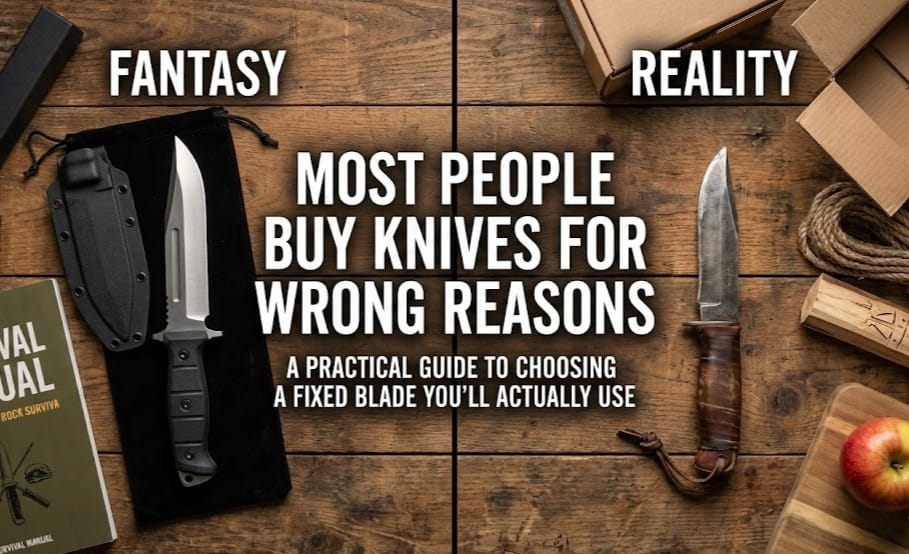
This fixed blade knife guide exists to break that cycle – the endless scrolling, steel comparisons, and imaginary scenarios that lead to knives collecting dust instead of getting used.
Most people don’t buy a knife.
They buy a story about themselves..
They picture a future version – tougher, more prepared, more adventurous – and then choose a blade that fits that fantasy. The problem is simple: fantasy knives spend most of their lives in drawers. Good knives get used.
If you haven’t bought a knife in the last month, chances are you’re stuck in that gap – scrolling, comparing steels, rereading specs, worrying about overpaying for something you don’t really need. This article exists to end that loop.
Let’s talk honestly about why people buy the wrong knives, and how to choose a fixed blade that earns its place instead of collecting dust.
A Fixed Blade Knife Guide for Real-World Use
The First Mistake: Buying for a Scenario That Never Happens
Ask yourself this one question, and don’t lie:
What will this knife actually do, week to week?
Not once-in-a-lifetime survival. Not zombie defense. Not bushcraft videos at 2 a.m.
Real answers usually look like this:
- opening boxes
- food prep at camp
- light outdoor work
- cutting rope, cord, zip ties
- occasional wood processing
- being carried just in case
When someone buys a massive, overbuilt blade “for safety,” it often becomes uncomfortable, awkward, and unused. Weight matters. Thickness matters. Balance matters more than marketing.
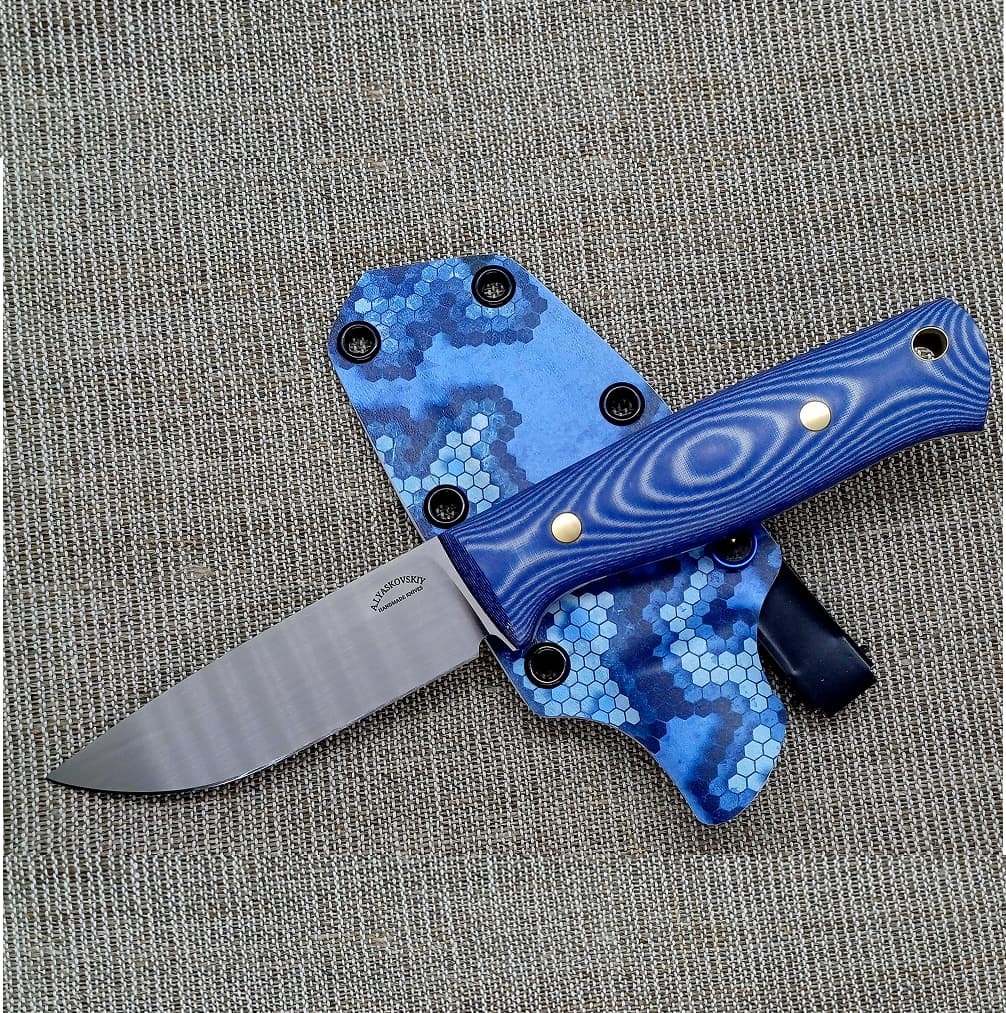
This is where knives like Casual by Oleksandr Liaskovskii make sense. It’s not designed to dominate a battlefield. It’s designed to be there when you need it, with M390 steel that holds an edge without demanding constant maintenance. It disappears into daily life – and that’s why it works.
A knife you avoid carrying is already a bad knife.
The Second Mistake: Confusing Toughness with Thickness
There’s a myth that thicker always means stronger. It doesn’t.
A blade that’s too thick behind the edge:
- splits food instead of slicing
- tires your hand
- performs poorly at fine work
Real toughness comes from geometry + heat treatment, not just spine thickness.
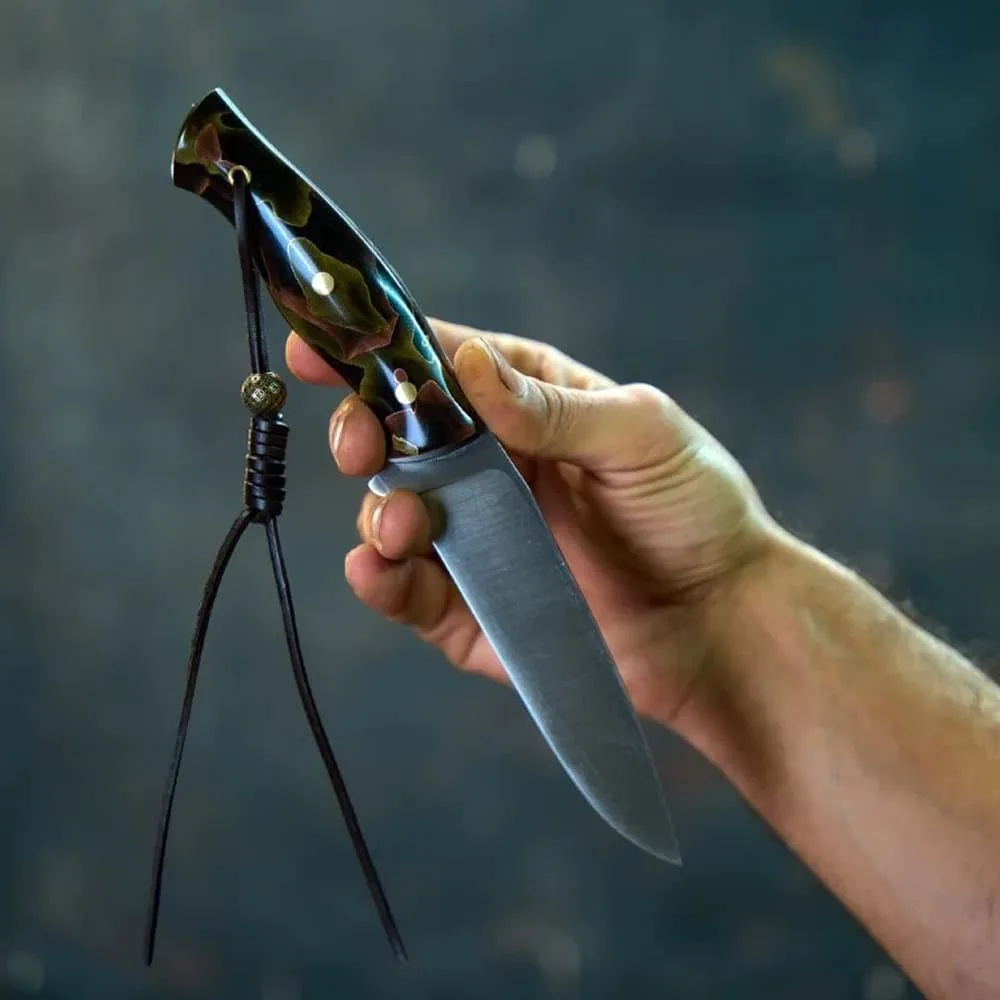
A knife like Sevan by Full Tangi proves this well. Its drop-point profile and refined grind let it cut cleanly while still being durable enough for field use. It’s the kind of knife that feels natural during food prep, carving, or general camp work – the stuff people actually do.
If your knife fights you while cutting, you won’t use it.
And if you don’t use it, you didn’t need it.
A good fixed blade knife buying guide isn’t about fantasy scenarios – it’s about tools that earn their place through repetition, not imagination.
The Third Mistake: Buying “EDC” That You Never Carry
Many people say they want an EDC fixed blade. Few actually carry one.
Why?
Because most so-called EDC fixed blades are still too big, too heavy, or too awkward.
This is where compact fixed blades shine – when done right.

Crocodilly by Chinush Knives is a good example of restraint done properly. Short blade, practical thickness, modern steels, and a discreet Kydex sheath. It’s not pretending to be a survival tool. It’s a useful cutting instrument you won’t leave at home.
If a knife is small but well-designed, it gets used more than a “do-everything” monster blade ever will.
The Fourth Mistake: Ignoring How a Knife Feels – Not How It Looks
Most buyers focus on steel charts and ignore ergonomics.
That’s backwards.
A knife can be made from the best steel on Earth and still be miserable if:
- The handle creates hot spots
- The balance feels tip-heavy
- The grip doesn’t inspire confidence
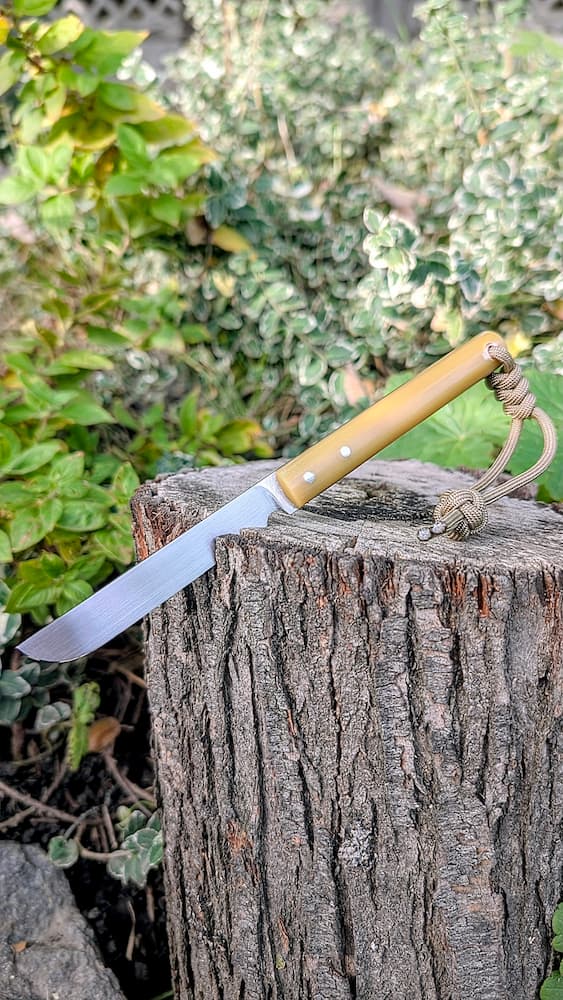
This is why knives like Mr. Wick by MARVUN KNIVES stand out. They balance elegance with control. The handle shapes aren’t accidental. They’re designed to disappear in the hand, not show off on a shelf.
A knife that feels right becomes intuitive.
A knife that doesn’t get avoided.
The Fifth Mistake: Underestimating Hard Use (or Overestimating Yourself)
Some people baby their knives. Others beat them mercilessly.
Both groups exist – and both need different tools.
If you know you’re rough on gear – prying, batoning, processing game, working outdoors – pretending you’ll suddenly become delicate is nonsense. You need a knife built to tolerate abuse.
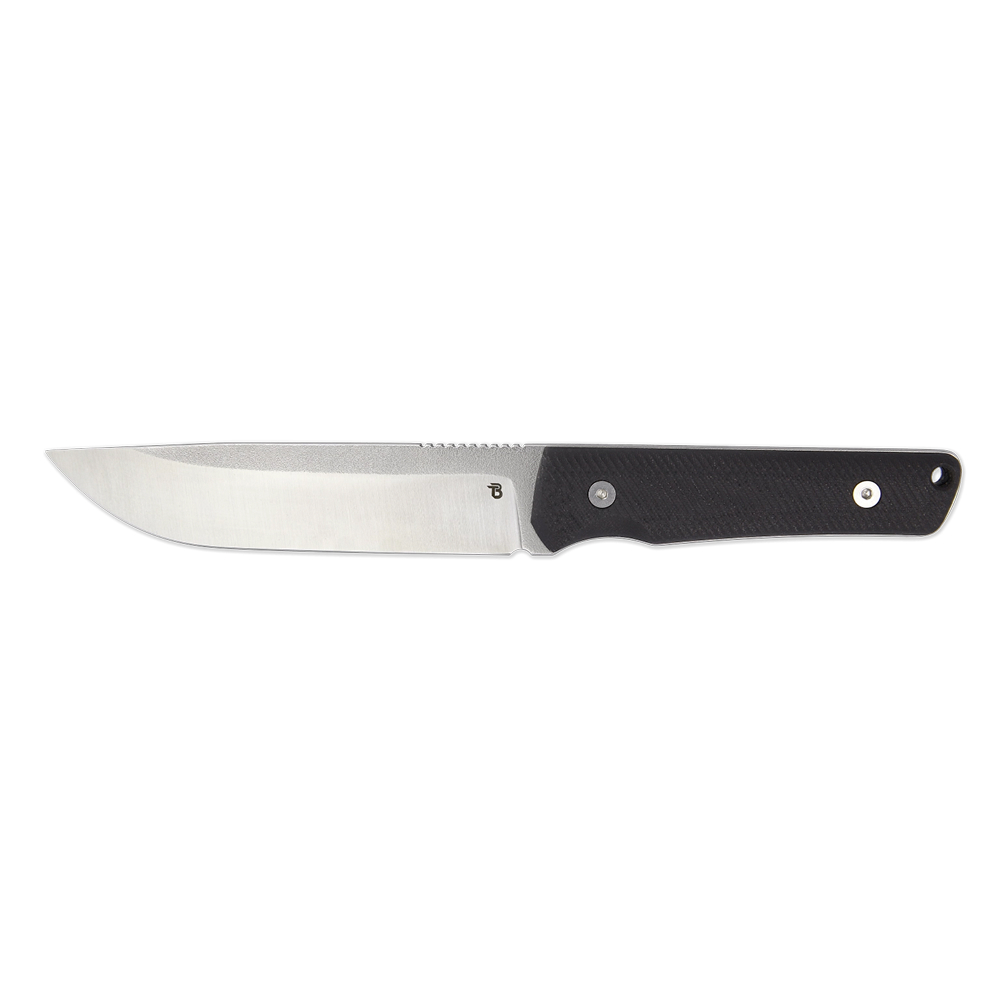
That’s where something like Jaguar by TEREN BLADE makes sense. It’s honest about what it is: a working knife. Slight variations exist because it’s handmade, not stamped. That’s not a flaw – it’s proof of real craft.
Tools built for real work don’t apologize for it.
Kitchen Reality Check: Your Chef Knife Matters More Than Your “Tactical” One
Here’s an uncomfortable truth:
You’ll probably use a kitchen knife ten times more than any outdoor blade.
Yet people obsess over field knives and cheap out on the kitchen.
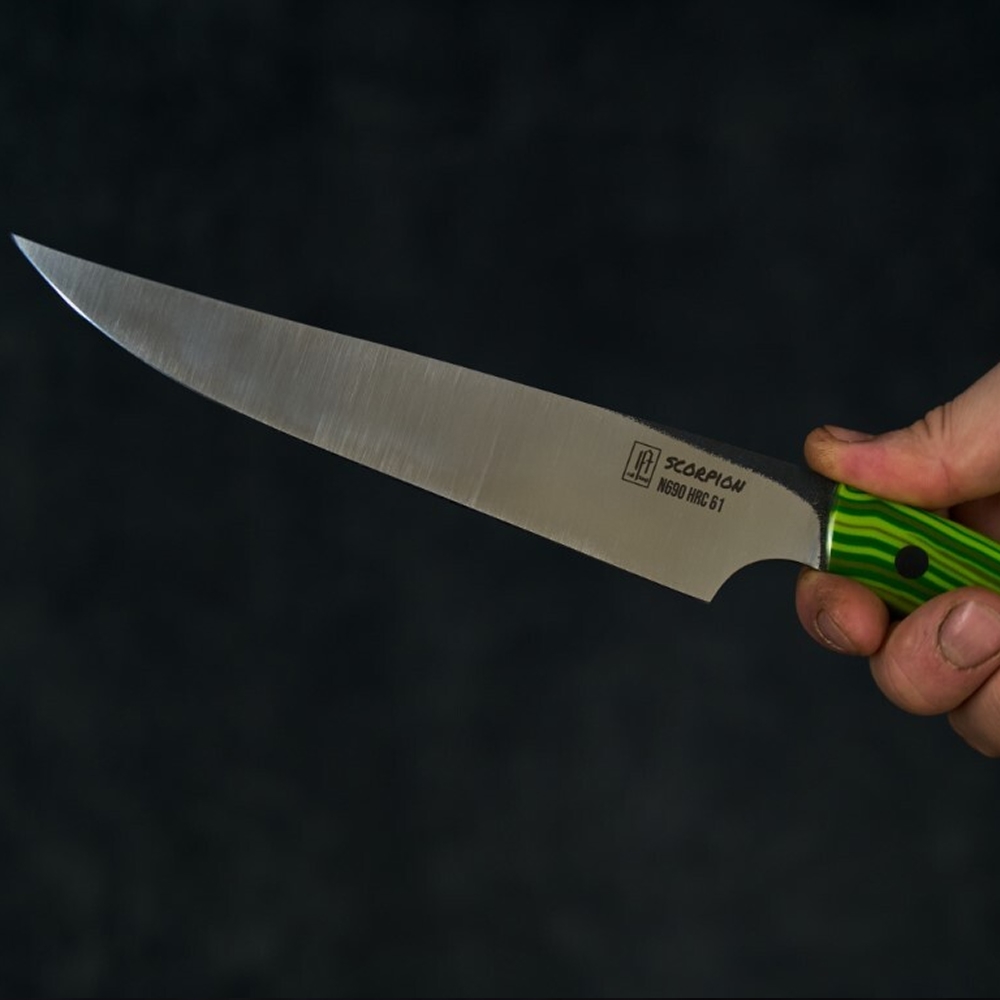
Scorpion by Full Tangi flips that mistake. It’s a full-tang chef knife designed to cut for hours without fatigue. Thin enough to slice cleanly, strong enough to last, balanced enough to feel alive in the hand.
If you cook regularly, this is where real value lives – not in fantasy, but in repetition.
Steel Isn’t the Answer – Context Is
Yes, steel matters. But not the way forums make it seem.
- M390 / Elmax: great edge retention, less sharpening, higher cost
- N690 / K110: excellent balance of toughness, ease of maintenance
- AEB-L / 3V: tough, forgiving, reliable for hard users
The best steel is the one that matches:
- how often you sharpen
- how hard you use the knife
- whether corrosion resistance matters in your climate
Buying steel, you don’t understand, is like buying racing tires for city driving.
The Quiet Truth About Handmade Knives
Handmade doesn’t mean perfect.
It means:
- small variations
- visible grind transitions
- individual heat treatment decisions
These aren’t defects. They’re fingerprints.
When you buy from makers like those on Knifia, you’re not paying for branding. You’re paying for decisions made by a human, not a factory line.
That’s why these knives feel different.
And why they age better.
So… Which Knife Do You Actually Need?
Ask yourself honestly:
- Will I carry it weekly?
- Will I use it monthly?
- Will it make my life easier?
If the answer is “yes,” you’re close.
If the answer is “it looks cool,” step back.
A good knife doesn’t shout.
It waits.
And when you finally pick it up – whether it’s Casual, Sevan, Crocodilly, Mr. Wick, Jaguar, or Scorpion – you’ll know you chose function over fantasy.
If you’re serious about choosing well, a fixed blade knife buying guide should always lead you toward function, carry comfort, and honest use – not hype.
That’s how good tools earn loyalty.
And that’s how Knifia wants to sell knives.
Related posts

Quick Answer: Is a Handmade Knife a Good Gift? A handmade knife can be an excellent gift... Continue reading
Most “best knife” lists miss the point There’s a problem with most of the best handmade EDC... Continue reading
At some point, every serious home cook hits the same fork in the road. This guide breaks... Continue reading
The modern chef knife is often treated as the one tool every home cook must own –... Continue reading
The $100 Handmade Knife Mistake Explained At some point, almost every buyer considers a $100 handmade knife... Continue reading