No products in the cart.
Most “best knife” lists miss the point
There’s a problem with most of the best handmade EDC knife guides online.
They try to answer the wrong question.
There is no universal “best EDC knife.”
There are only knives that:
- match how you actually use them
- are executed properly (geometry, heat treatment, ergonomics)
- and are worth carrying every day
Everything else is preference – or marketing.
If you’re reading this, you’re likely past:
- mass-produced “premium” branding
- questionable Damascus claims
- and spec sheets that don’t translate to real performance
This guide focuses on choosing the best handmade EDC knife based on real-world use, not marketing claims.
What actually makes the best handmade EDC knife
Geometry matters more than steel
Steel gets most of the attention, but it shouldn’t.
A knife with excellent steel but poor geometry will still perform poorly.
A well-ground blade in a more modest steel can outperform it easily.
What you’re looking for:
- a thin edge behind the bevel
- a consistent grind
- a blade shape that matches your tasks
This is one of the reasons handmade knives often stand out.
They are not optimized for mass production – they are optimized for cutting.
Heat treatment is where performance is decided
Steel type tells you potential.
Heat treatment determines whether that potential is realized.
Two knives made from the same steel can behave very differently:
- one holds an edge and stays stable
- another chips or dulls faster than expected
This part isn’t visible in product photos or marketing descriptions, but it is one of the main differences between factory output and well-executed small-batch work.
Ergonomics only reveal themselves in use
A knife can look excellent and still feel wrong.
What matters is:
- how it sits in the hand after extended use
- whether there are pressure points
- how secure the grip feels when your hands are wet or cold
This is difficult to communicate online, but it’s one of the reasons experienced users gravitate toward specific makers over time.
Steel for the best handmade EDC knife – what matters and what doesn’t
If you’ve spent time researching knives, you’ve likely seen names like:
- MagnaCut
- CPM-3V
- S35VN
- M390
- Elmax
- AEB-L
All of these are capable steels. None of them is perfect.
The important thing to understand is this:
👉 In a well-made knife, execution matters more than the steel label
If you want to compare different designs and makers, you can explore the current selection available through Knifia.
A practical comparison (best handmade EDC knife context)
| Steel | Edge Retention | Toughness | Corrosion Resistance | Maintenance |
| M390 | Very high | Medium | High | More demanding |
| Elmax | High | Medium+ | High | Moderate |
| N690 | Moderate | Medium+ | High | Easy |
| MagnaCut | High | High | High | Moderate |
| 3V | Moderate | Very high | Low | Moderate |
| AEB-L | Moderate | High | Moderate | Easy |
Why do you often see M390, Elmax, N690 (and K110)
Not because they are universally “better.”
But because in the context of handmade knives- particularly from Ukrainian makers – they tend to offer:
- consistent, well-understood heat treatment
- reliable real-world performance
- good balance between cost and capability
At the same time, many makers offer flexibility.
👉 In many cases, the same knife can be ordered in different steels depending on your preference.
That matters more than chasing a specific name.
Choosing the best handmade EDC knife based on how you actually use a knife
Most buying mistakes come from choosing based on image rather than behavior.
A few simplified profiles help clarify decisions:
If you prefer minimal maintenance
You use your knife regularly but don’t want to sharpen it often.
Steels like M390 or similar high-wear steels make sense here.
They retain an edge longer, but require more effort when sharpening is needed.
If you want balanced performance
You use your knife for a mix of tasks and don’t want to think too much about limitations.
Steels like Elmax or K110 offer a more balanced profile:
- good edge retention
- better toughness than ultra-hard steels
- more forgiving in real use
If you value simplicity and reliability
You prefer tools that are easy to maintain and predictable.
Steels like N690 or AEB-L are often overlooked, but:
- they sharpen easily
- perform consistently
- and handle everyday use without complications
A note on enthusiast-driven choices
If your focus is primarily on steel names, rarity, or trends, it’s worth pausing.
Those factors matter – but they don’t always translate into a better everyday tool.
Handmade EDC knives worth considering
The knives below are not presented as “the best.”
They are examples of:
- thoughtful design
- solid execution
- and practical usability
Moskit – Chinush Knives
Compact, precise, and purpose-driven
The Moskit is built around efficiency.
Its slim profile and light weight make it easy to carry consistently, which is often more important than raw capability.
Where it performs well:
- precise cutting tasks
- controlled, detailed work
- everyday utility where size matters
Limitations:
- not intended for heavy or abusive use
- A smaller handle may not suit all users
In context:
Compared to knives like the ESEE Izula, it offers noticeably better cutting performance, but less durability under extreme use.
Compared to more refined compact knives, it leans further toward cutting efficiency.
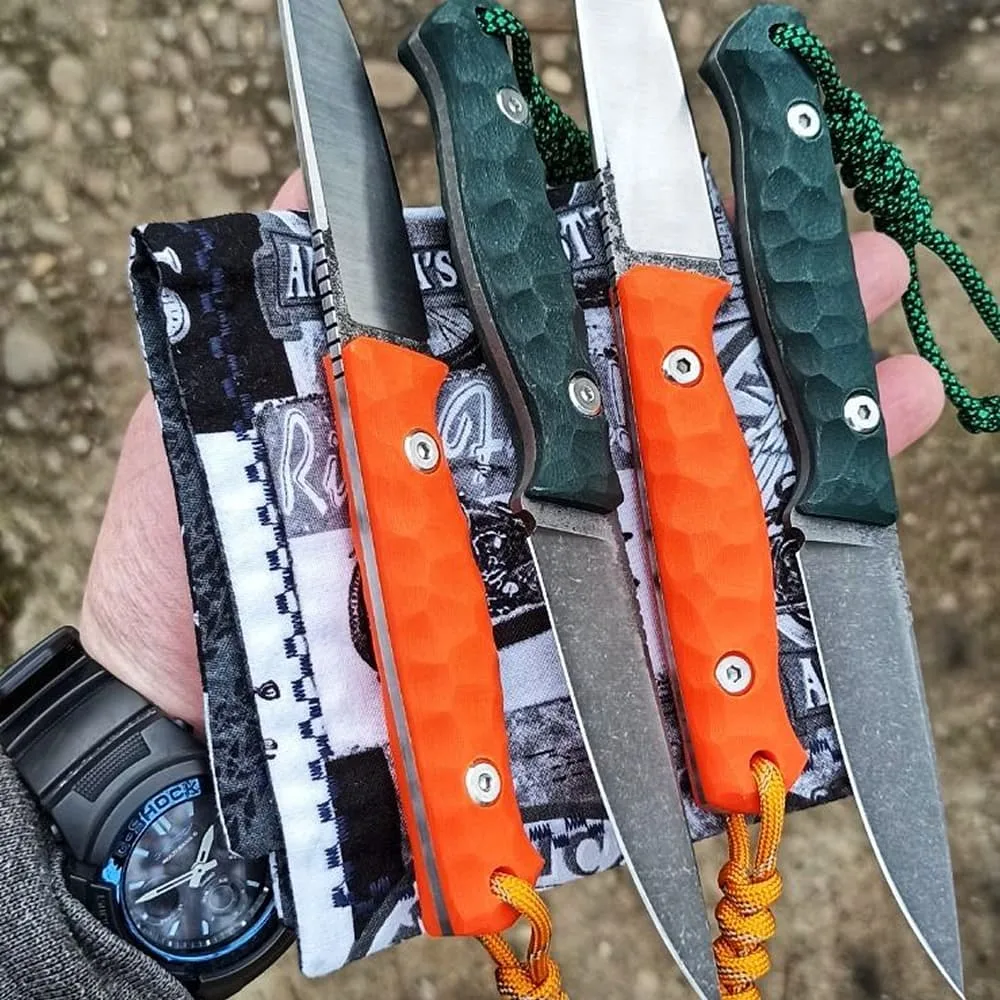
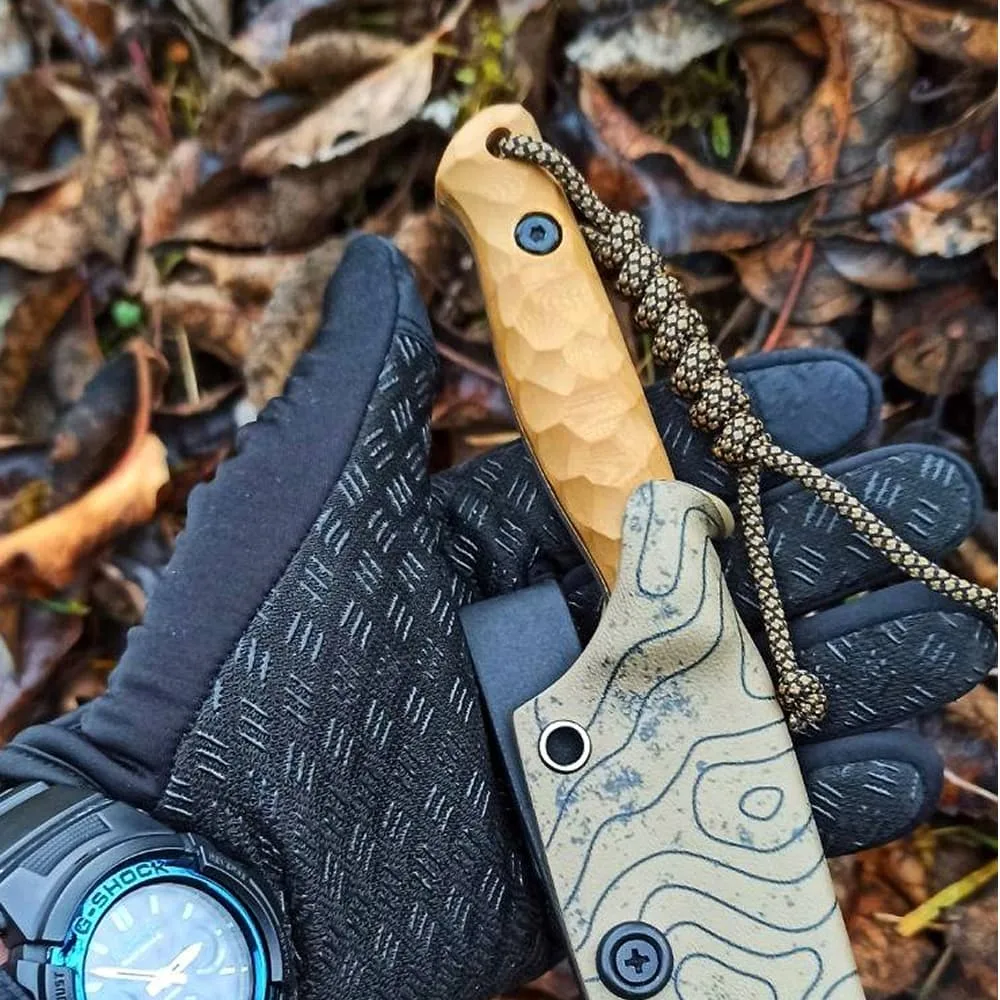
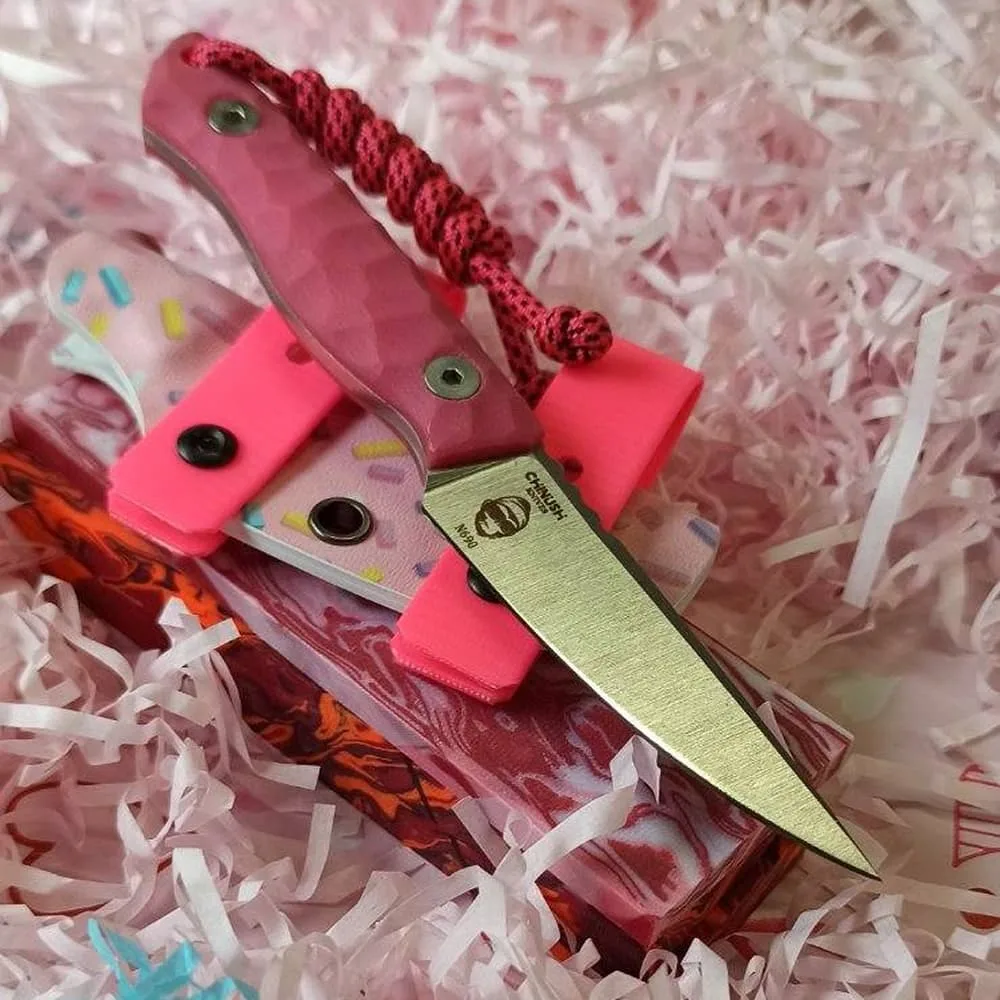
The Moskit by Chinush Knives is a good example of how compact geometry can outperform larger blades in everyday use.
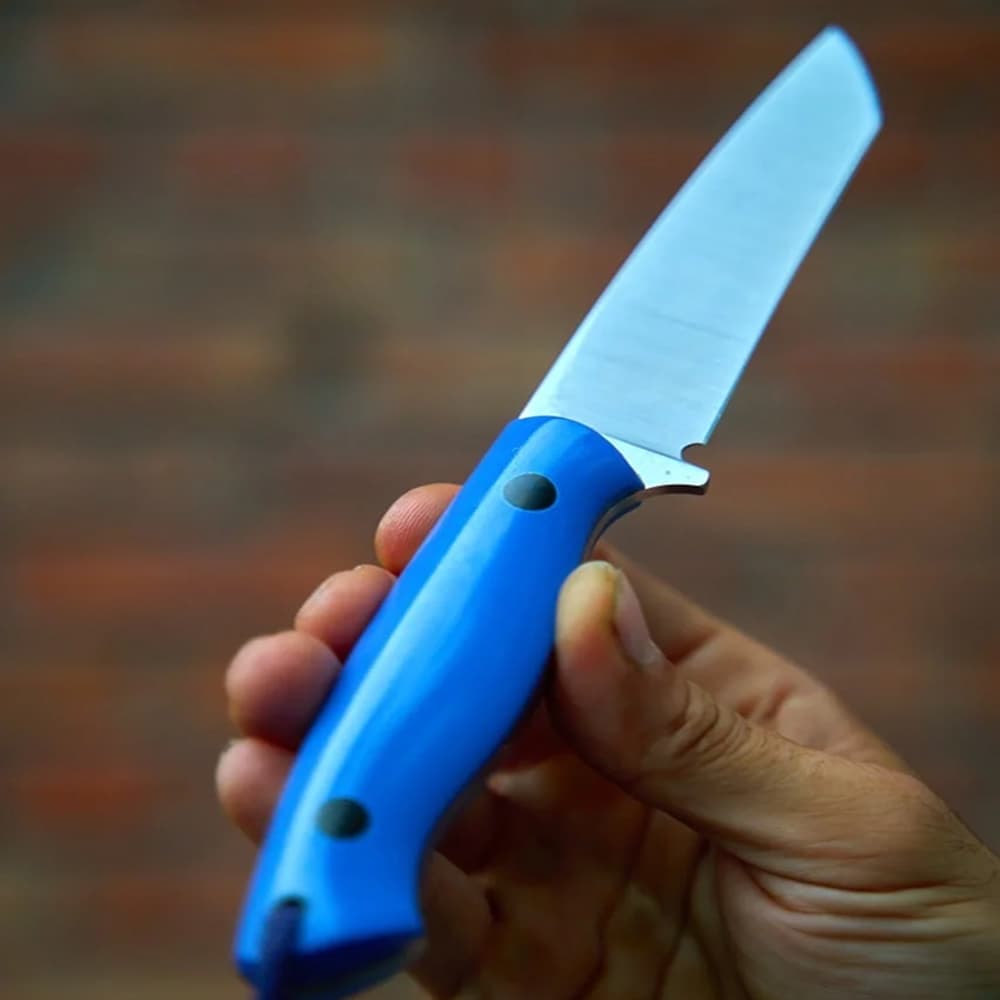
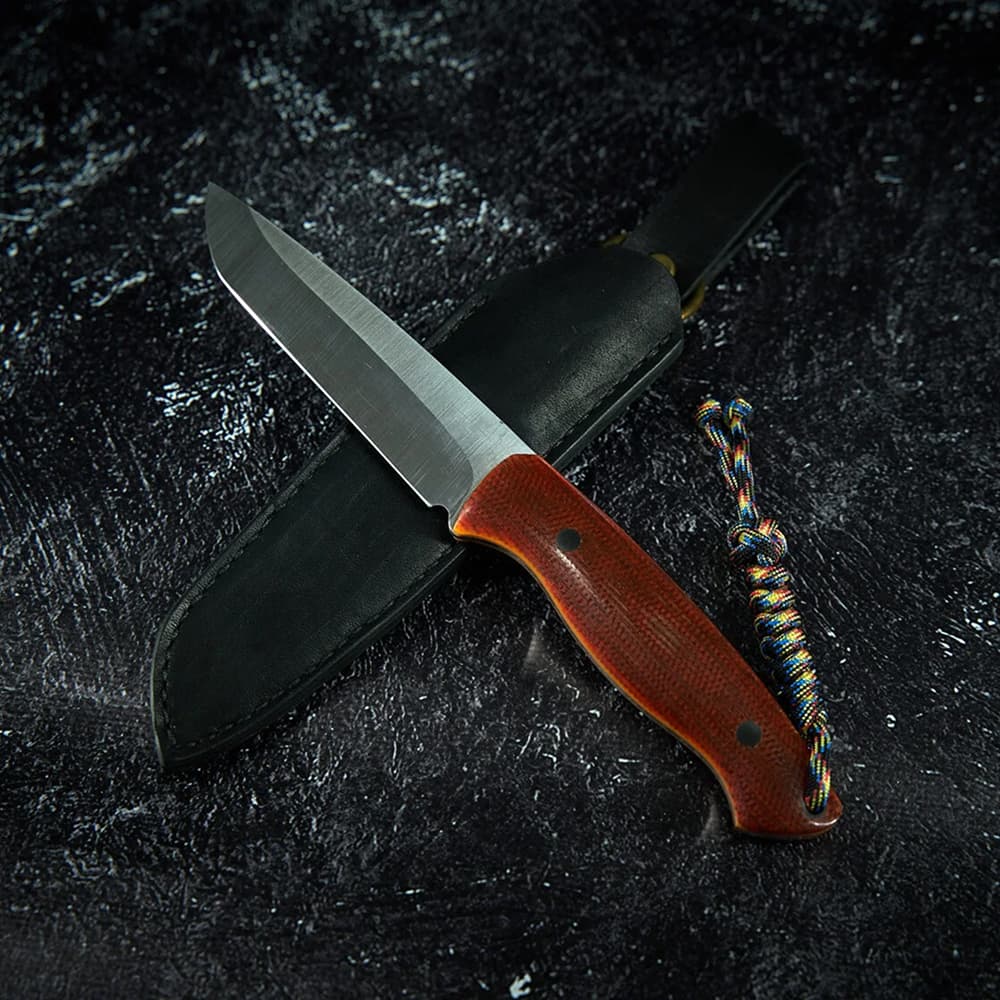
KARAT Tanto – Full Tangi
Structured, deliberate, and more robust
The KARAT Tanto by Full Tangi takes a different approach.
Its tanto profile and full tang construction emphasize strength and control.
Where it performs well:
- tasks requiring a strong tip
- situations where additional durability is useful
- users who prefer a more substantial knife
Tradeoffs:
- less versatile for food prep due to blade shape
- slightly larger footprint for daily carry
In context:
It sits between lightweight EDC knives and heavier outdoor tools, offering a balance that works well for users who want one knife to handle multiple roles.
Casual — Oleksandr Liaskovskii
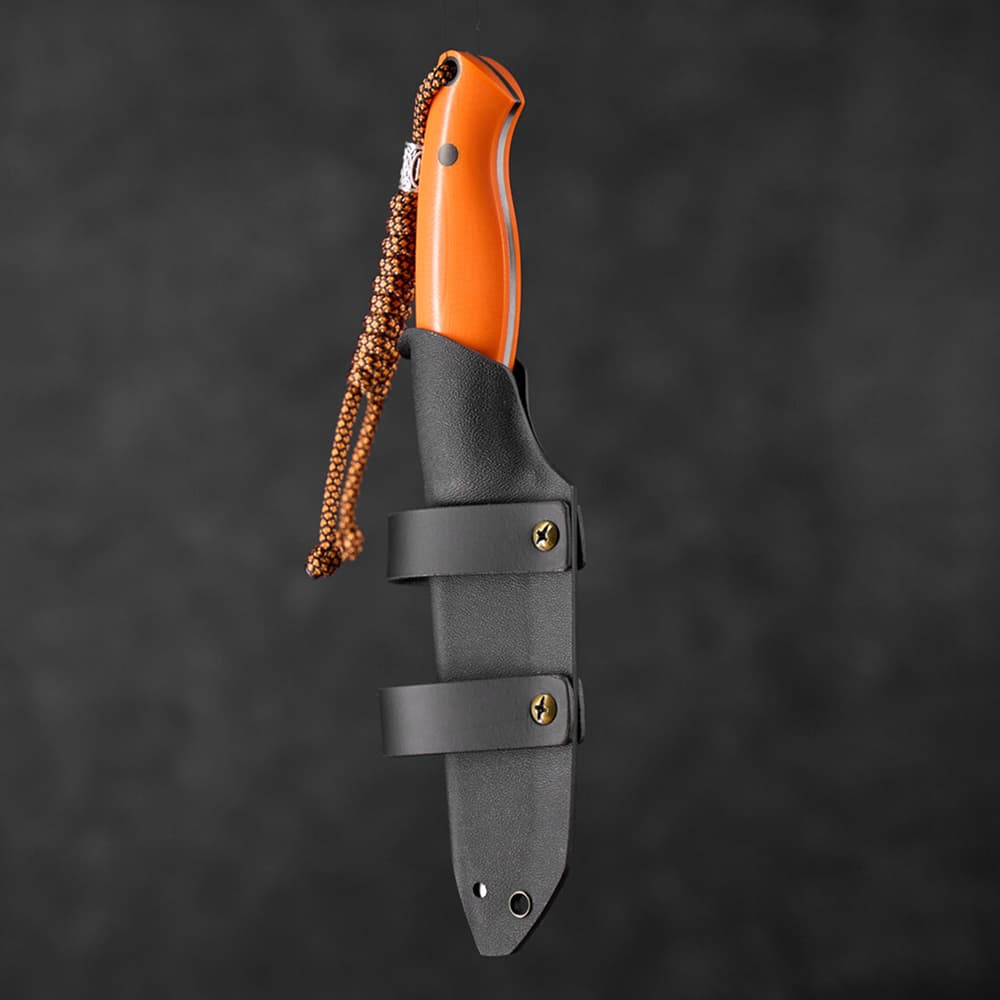
Balanced, understated, and genuinely practical
The Casual is closest to what most people actually need.
Its proportions, neutral geometry, and straightforward design make it easy to use across a wide range of tasks without drawing attention to itself.
Where it performs well:
- everyday tasks (packages, light food prep, general use)
- situations where comfort and control matter
- users who carry consistently
Limitations:
- not designed for extreme or heavy-duty use
- not optimized for a single specialized task
In context:
Compared to entry-level knives, it offers significantly better refinement and materials.
Compared to highly specialized blades, it prioritizes balance over extremes.
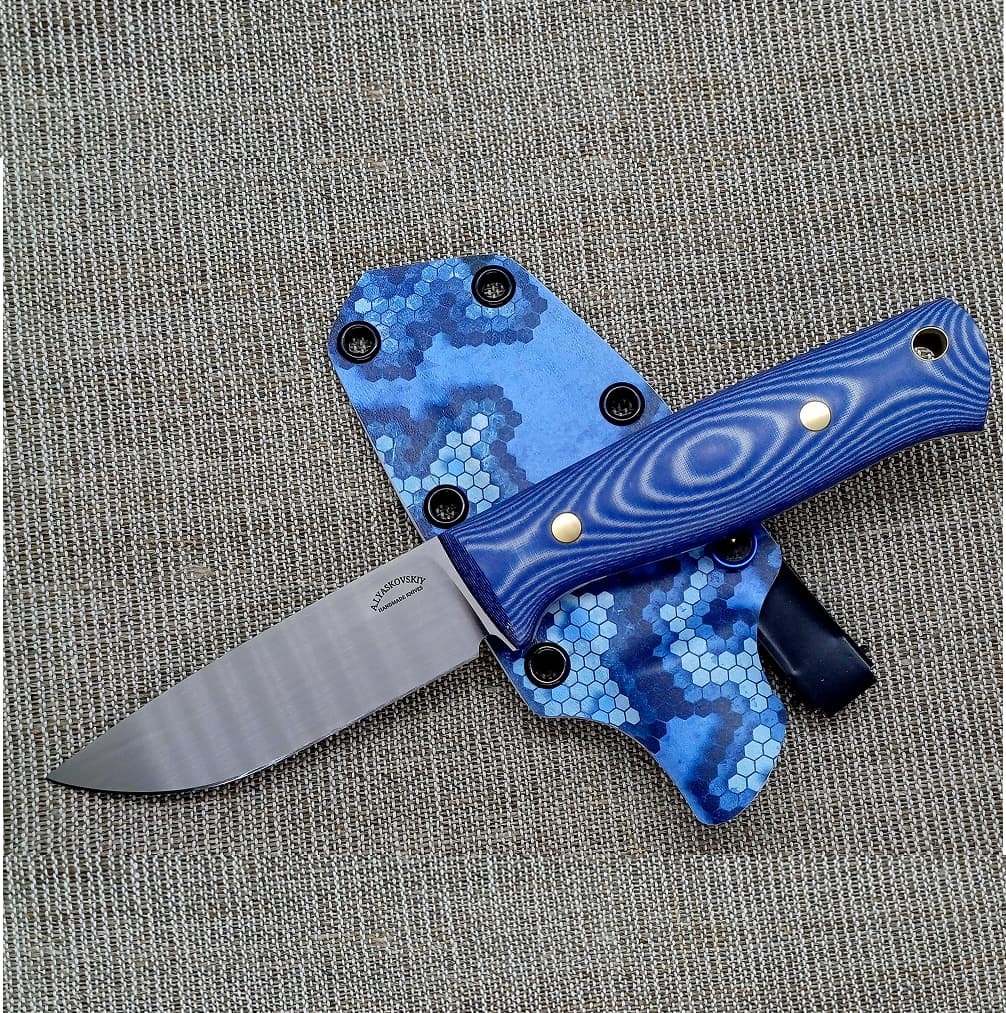
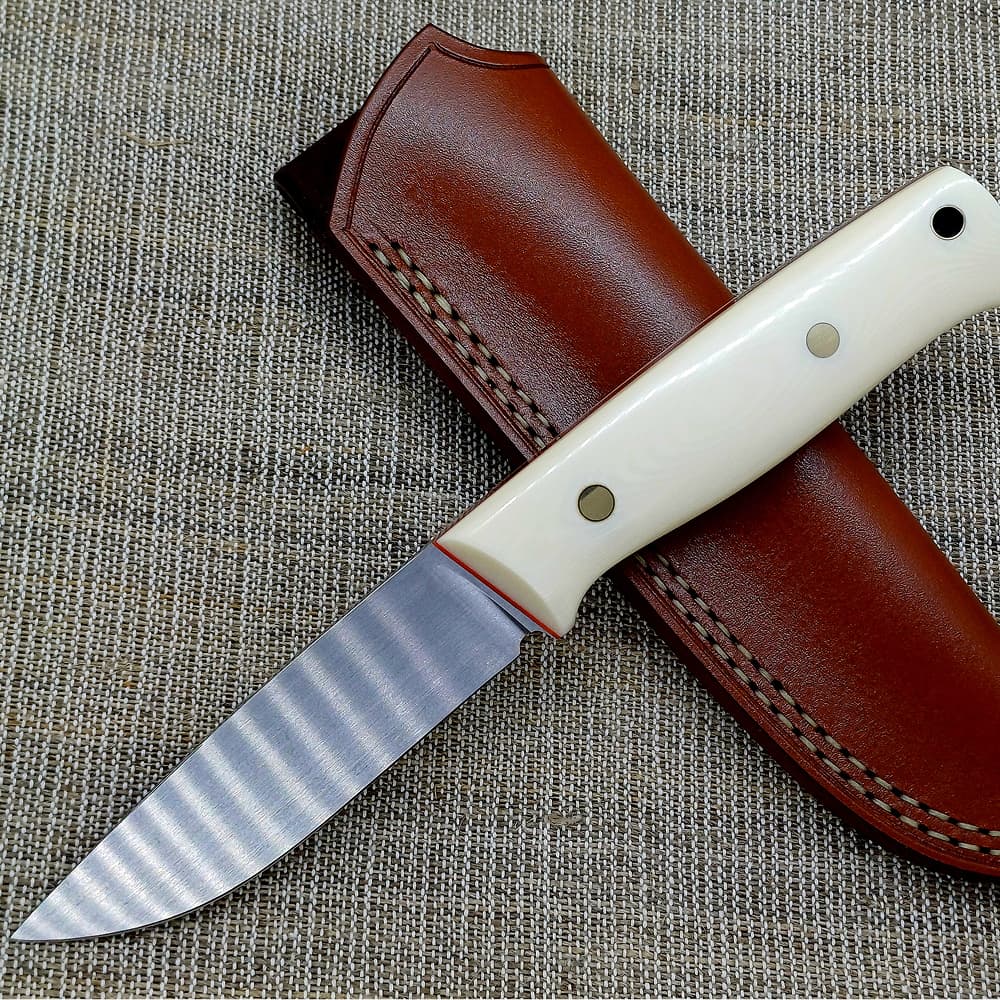

The Casual by Oleksandr Liaskovskii reflects a different philosophy – balanced, understated, and built for consistent everyday use.
On customization and steel choice
One advantage of working with smaller makers is flexibility.
In many cases:
- steel can be selected or upgraded
- handle materials can be chosen
- sheath options can be adjusted
This allows you to align the knife more closely with your actual needs, rather than adapting to what is available.
Where Knifia fits
It’s important to be clear here.
Knifia is not:
- a mass-market retailer
- the lowest-cost option
- built around volume
It focuses on:
- small-batch Ukrainian makers
- practical, performance-oriented designs
- knives that prioritize execution over branding
When this approach makes sense
- You care how a knife performs, not just how it looks on paper
- You prefer craftsmanship over mass production
- You are willing to choose deliberately rather than quickly
When it may not
- You are looking for the lowest possible price
- You prefer widely known brands and standardized products
- You don’t plan to use the knife regularly
A simple way to decide
Instead of overanalyzing, ask:
- Will I carry this regularly?
- How much maintenance am I comfortable with?
- Do I need precision, durability, or balance?
From there, the right choice usually becomes clear.
Final thoughts
A good knife does its job.
A well-made one becomes something you rely on without thinking about it.
It doesn’t need attention.
It doesn’t need justification.
It simply works – consistently.
If you’re exploring handmade options
Take your time.
Look at different makers.
Compare designs.
Think about how you actually use your tools.
If you want to explore the best handmade EDC knife like the ones discussed here, you can browse the current selection at Knifia.
Not everything will be the right fit – and that’s the point. But if something matches how you actually use a knife, it’s worth a closer look.
Related posts

Quick Answer: Is a Handmade Knife a Good Gift? A handmade knife can be an excellent gift... Continue reading
At some point, every serious home cook hits the same fork in the road. This guide breaks... Continue reading
The modern chef knife is often treated as the one tool every home cook must own –... Continue reading
The $100 Handmade Knife Mistake Explained At some point, almost every buyer considers a $100 handmade knife... Continue reading

The phrase “handmade knife” is everywhere today – on Etsy listings, Instagram ads, and product pages selling... Continue reading