
No products in the cart.
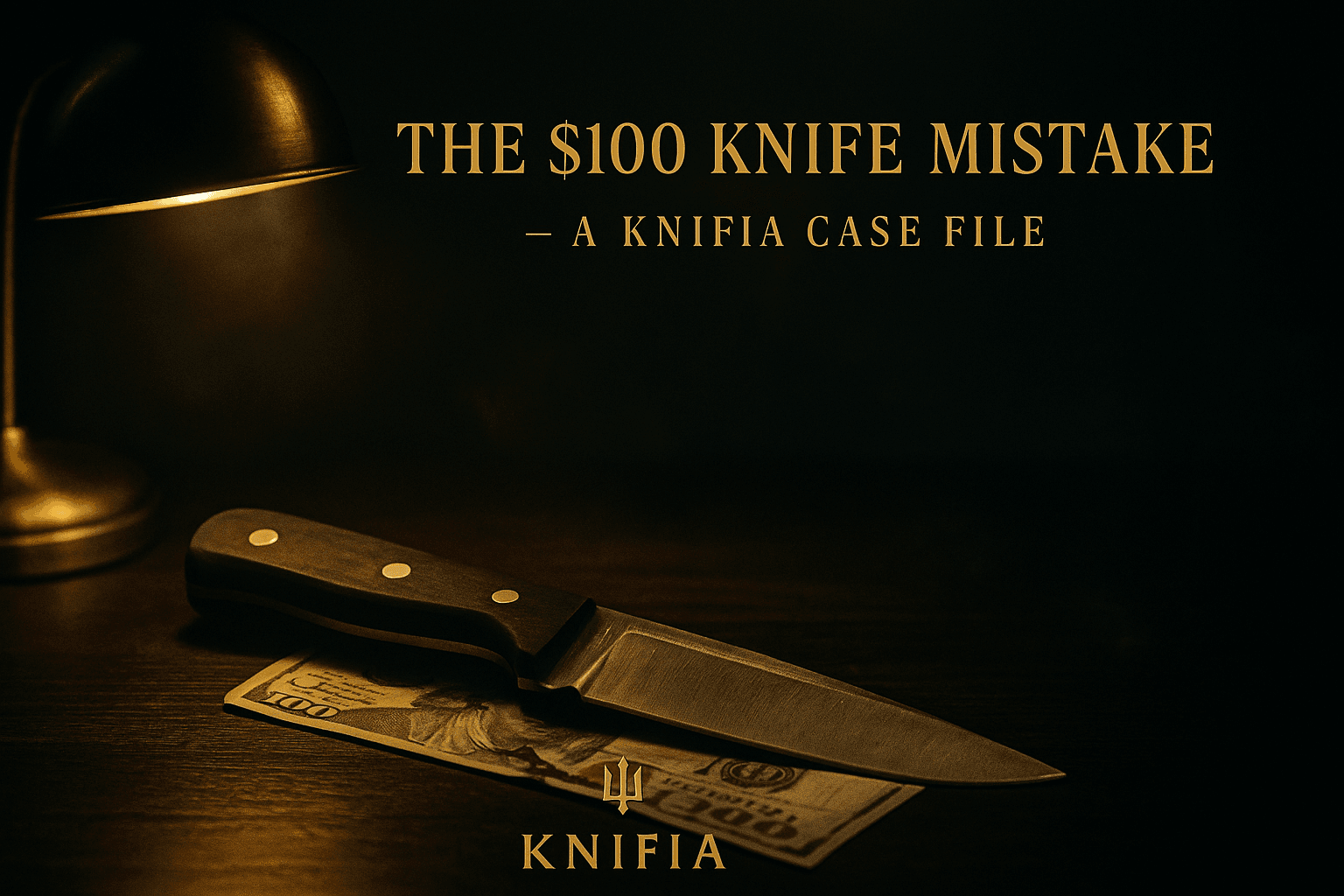
The detective had seen a lot of bad decisions in his life, but few were as common – or as preventable – as the ones people made when buying knives online. And this case was no different. The story always began the same way: someone walked in carrying a mistake disguised as a bargain. What most buyers didn’t realize was that while cheap factory blades looked convincing, they never stood a chance against the performance and craftsmanship of Ukrainian handmade knives.
This time, the evidence sat wrapped in a crinkled shopping receipt and desperation.
The detective leaned back in his chair. He had seen these cases before – more times than he cared to count.
The kid pulled out a knife and laid it on the desk like a confession.
It was shiny. It was tactical. It was absolutely terrible.
“Cost me a hundred bucks,” the kid said.
The detective raised an eyebrow. “I’m sorry for your loss.”
The knife glared up at them with the hollow confidence of cheap steel. It was the kind of blade that looked impressive to someone who didn’t know better – the kind of prop you’d see in the hands of an actor who took one self-defense class and now thinks he’s a threat.
This was what the detective called The $100 Knife Mistake, a crime scene he’d solved so many times he could do it in his sleep – and sometimes did.
Most tragedies start with good intentions.
This one started with a coupon code.
Examining the Evidence
The detective picked up the knife and turned it under the light. It reflected a kind of artificial shine, the kind that only comes from machines with no sense of pride. The edge had a geometry that could generously be described as “inconsistent.” The steel was stamped with a fancy name, which was the knife equivalent of someone padding their résumé with online courses they never finished.
“You bought this online?” the detective asked.
The kid nodded. “Had great reviews.”
“Reviews,” the detective muttered, “are where hope goes to get mugged.”
He pointed at the blade.
“See this geometry? Thick shoulders, uneven grind. This thing wasn’t built to cut – it was built to look like it could cut.”
That was the first clue: most buyers mistake appearance for performance.
A good knife doesn’t need neon accents or jagged edges. It needs discipline – the kind of discipline only craftsmen have the patience to learn.
For buyers searching for real craftsmanship, Ukrainian handmade knives stand out as some of the most reliable blades available today.
Steel: The Loudest Witness in the Room
The detective tapped the blade on the table.
Cheap steel always made that same sound – a dull, spiritless clink.
“Steel doesn’t lie,” he said. “People lie. Marketing lies. Influencers lie. But steel? Steel always tells the truth.”
The kid frowned. “The listing said it was premium.”
“‘Premium’ is what companies write when they can’t legally say ‘trust me.’”
Here’s the uncomfortable part of the story: people think that M390, D2, N690, or any premium steel automatically makes a knife good. Steel is important, sure – but without proper heat treatment, even the best steel becomes soft, brittle, or lazy.
Factories treat steel the way fast-food cooks treat frozen patties:
- quick
- cheap
- barely passable
But Ukrainian handmade knives? That’s a whole different world.
Why Ukrainian Handmade Knives Outperform Cheap Factory Blades
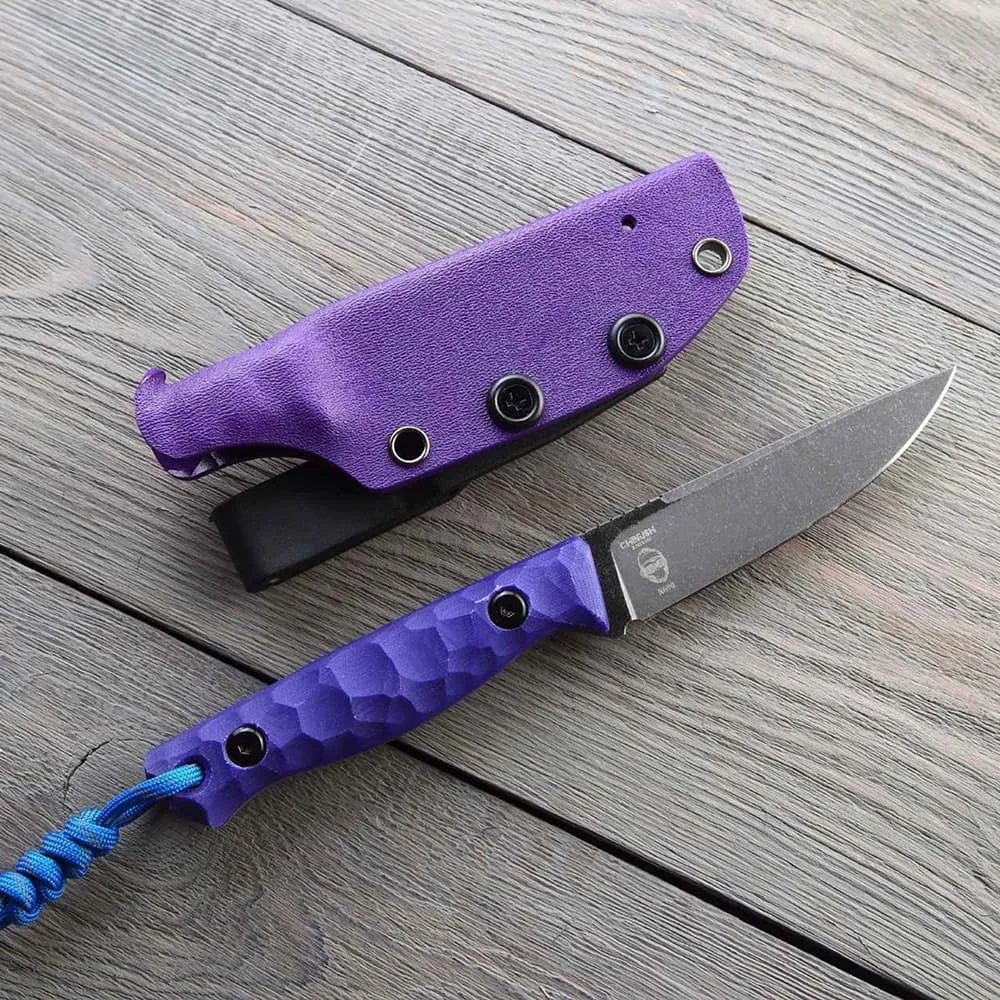
Unlike factory blades, Ukrainian handmade knives are created by makers who take pride in every detail, from heat treatment to geometry.
Makers like Full Tangi, Chinush knives, Oleksandr Liaskovskii, Marvun Knives and Teren Blade treat heat like a ritual. They test it. Respect it. Control it. They coax out the toughness, the edge retention, the resilience. They push the steel until it stops being metal and starts being purpose.
You don’t get that in a $100 knife that spent eight seconds in a tempering oven run by someone who doesn’t even like knives.
Geometry: The Silent Killer
The detective leaned forward, bringing the blade closer to his lamp. Under the warm yellow glow, the truth spilled out like a confession.
“The bevel’s thicker than a nightclub bouncer,” he said. “And the edge? Crooked enough to run for office.”
The kid winced.
He knew it was bad, but he didn’t think it was this bad.
“That’s the real problem,” the detective said. “People think steel is what cuts. Wrong. Geometry cuts. Steel just survives the job.”
Perfect geometry is invisible to beginners – but painfully obvious to anyone who’s held a real, handmade knife. No factory line can replicate the intuition a craftsman develops after thousands of edges, thousands of micro-adjustments, thousands of mistakes made and fixed by hand.
Chinush Knives can grind an edge that slices air.
Full Tangi creates bevels so consistent they look machined – but they’re not.
Oleksandr Liaskovskii polishes blades until they reflect your regrets.
Teren Blade builds knives with the kind of geometry survivalists whisper about.
MARVUN KNIVES? his work looks like it crawled out of a legend and won a fight to get here.
These aren’t products.
They are performances.
Factory knives are photocopies.
Ukrainian handmade knives are signatures.
Why People Fall for the Wrong Knife
The detective put the blade down gently – not because it deserved respect, but because he didn’t want another look at it.
“You’re not the first,” he said. “Not even close.”
People buy the wrong knife the same way they make bad life choices:
- They trust the pretty pictures.
- They believe the marketing hype.
- They think ‘tactical’ means functional.
- They assume weight equals durability.
- They chase steel names like fashion trends.
In truth, most $100 knives are the same:
flashy, overbuilt, and underperforming.
They’re built for people who want to own a knife but don’t necessarily want to use one.
The kid sighed. “So, I wasted my money?”
“You invested,” the detective said dryly. “Unfortunately, you invested in disappointment.”
The Makers Behind the Finest Ukrainian Handmade Knives
Detectives rely on informants.
Knife buyers should rely on makers.
If factories are shadows, Ukrainian blacksmiths are streetlamps – illuminating everything around them.
Many collectors eventually discover that Ukrainian handmade knives outperform mass-produced models not just in sharpness, but in long-term durability.
Here’s the real lineup:
Disciplined. Focused. His knives feel like they were engineered by someone who interrogates steel until it cooperates.
Quiet, precise, relentless. Crafts with a surgical mindset — no detail too small to correct.
A master of the mirror polish. If steel had a luxury tier, he’d be building it.
Bold lines, aggressive silhouettes – knives with personality, not just purpose.
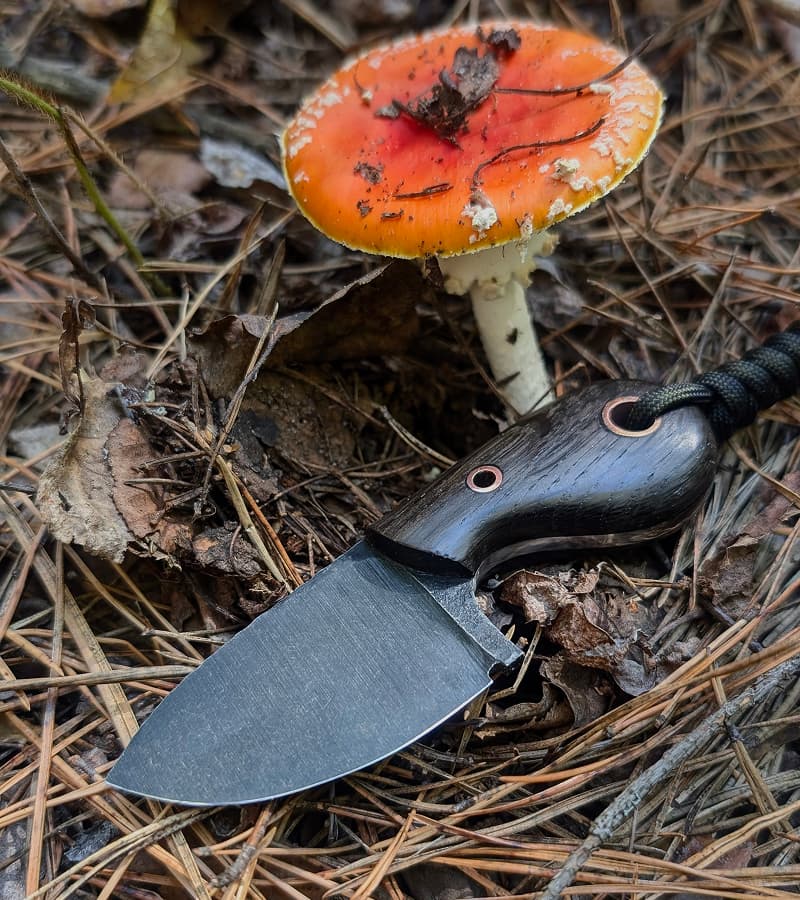
Practical without compromise. His knives are for people who actually use them, not just admire them.
These aren’t just makers. They’re characters in a story – one where steel, sweat, and stubbornness collide to create something that actually lasts.
The Economics of a Bad Decision
The detective stood and walked toward the window.
Rain smeared the city lights into colorless streaks.
“Let me tell you something about money,” he said. “A cheap knife is expensive. A good knife is cheap.”
The kid blinked. “…How?”
“Because cheap knives always come back to haunt you.”
He explained:
Cheap Knife Costs:
- $100 for the knife
- $30 for the sharpener
- $100 for the replacement
- $200 for the regret
- And one tiny, avoidable humiliation
Handmade Knife Costs:
- One upfront purchase
- Years of dependable performance
- Zero shame
- A story you’re proud to tell
Cheap knives are like cheap umbrellas – they work until it rains.
How to Avoid the $100 Knife Mistake
The detective turned back to the kid and handed the blade over.
“Let me give you something better than a refund,” he said. “Let me give you a checklist.”
1. Look for Clean Geometry
If the edge looks like it’s having a bad day, walk away.
2. Ask About Heat Treatment
If the seller can’t explain it, they don’t deserve your money.
3. Inspect the Maker’s Reputation
Craftsmanship is a fingerprint – no two masters look alike.
4. Judge Balance, Not Bulk
A knife shouldn’t feel like a gym membership.
5. Forget Tactical Cosplay
Pins, holes, ridges, spikes – these are decorations, not performance.
6. Choose Purpose, Not Hype
A knife should know what it wants to be.
Follow these rules, and you won’t end up back in this office anytime soon.
Closing the Case
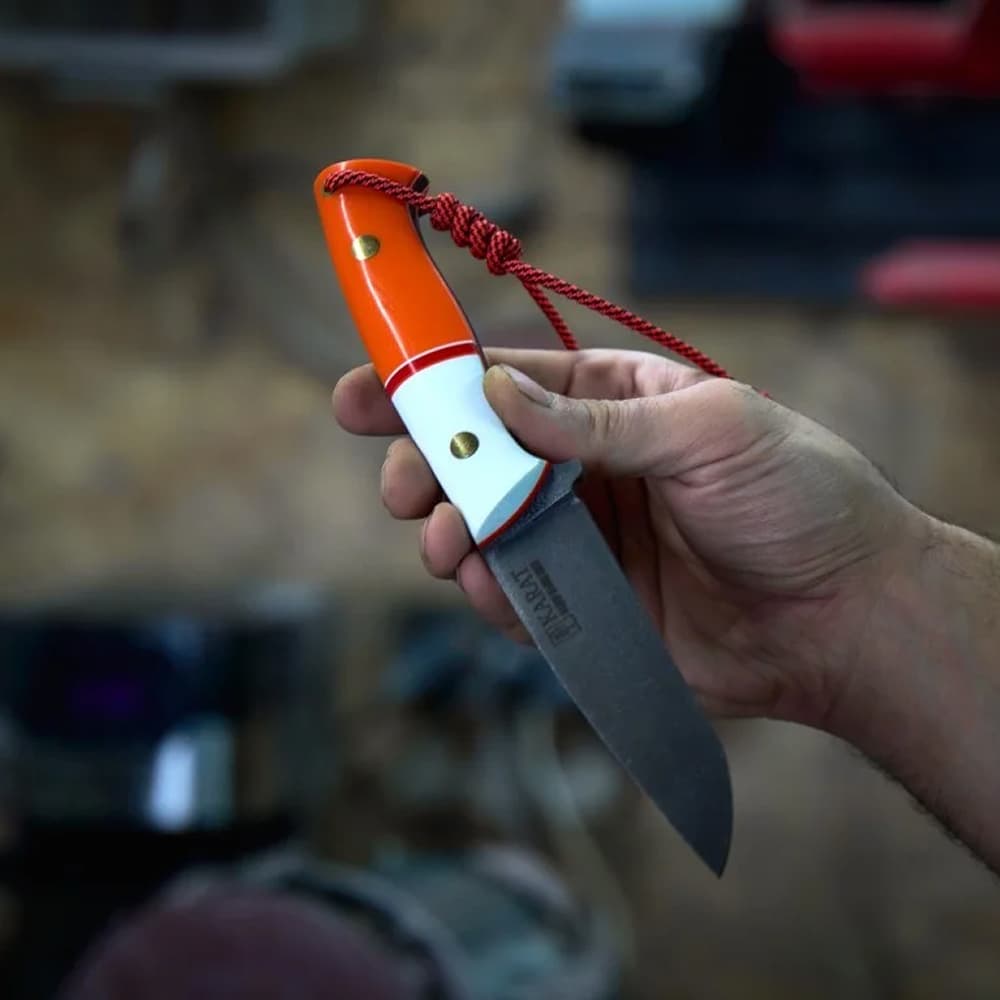
The detective reached into his drawer and pulled out a different knife – a handmade Ukrainian blade forged by a master who cared about steel the way poets care about words.
He placed it gently in the kid’s hands.
“This,” he said, “is what the right choice feels like.”
The kid didn’t speak.
He didn’t have to.
Some truths don’t need translation.
As the kid left and the detective poured himself another cup of disappointment-colored coffee, he knew the case was closed – but not solved forever.
There would always be another newbie.
Another flashy listing.
Another $100 mistake waiting to happen.
But as long as craftsmen kept forging the right way, and as long as people were willing to learn, the detective had hope.
Thin hope, maybe.
But sharp.
Case File Recommendation
If you want to avoid the $100 knife mistake, start with craftsmen who forge honesty into every edge.
▶ Explore real Ukrainian handmade knives at Knifia.com
Because a knife should cut tasks – not corners.
Related posts

Quick Answer: Is a Handmade Knife a Good Gift? A handmade knife can be an excellent gift... Continue reading
Most “best knife” lists miss the point There’s a problem with most of the best handmade EDC... Continue reading
At some point, every serious home cook hits the same fork in the road. This guide breaks... Continue reading
The modern chef knife is often treated as the one tool every home cook must own –... Continue reading
The $100 Handmade Knife Mistake Explained At some point, almost every buyer considers a $100 handmade knife... Continue reading